Selecting and implementing a large language model requires careful consideration of legal frameworks and terms of use. When you, as an independent builder, developer within a small team, or technical consultant, start working with open weights or API-based services, you quickly run into complex license terms. Because model versions continuously evolve and licenses can change over time, it is essential to understand what to watch out for. Read more about how this dynamic works in the background on model versions and deprecation, which explains the lifecycle of models.
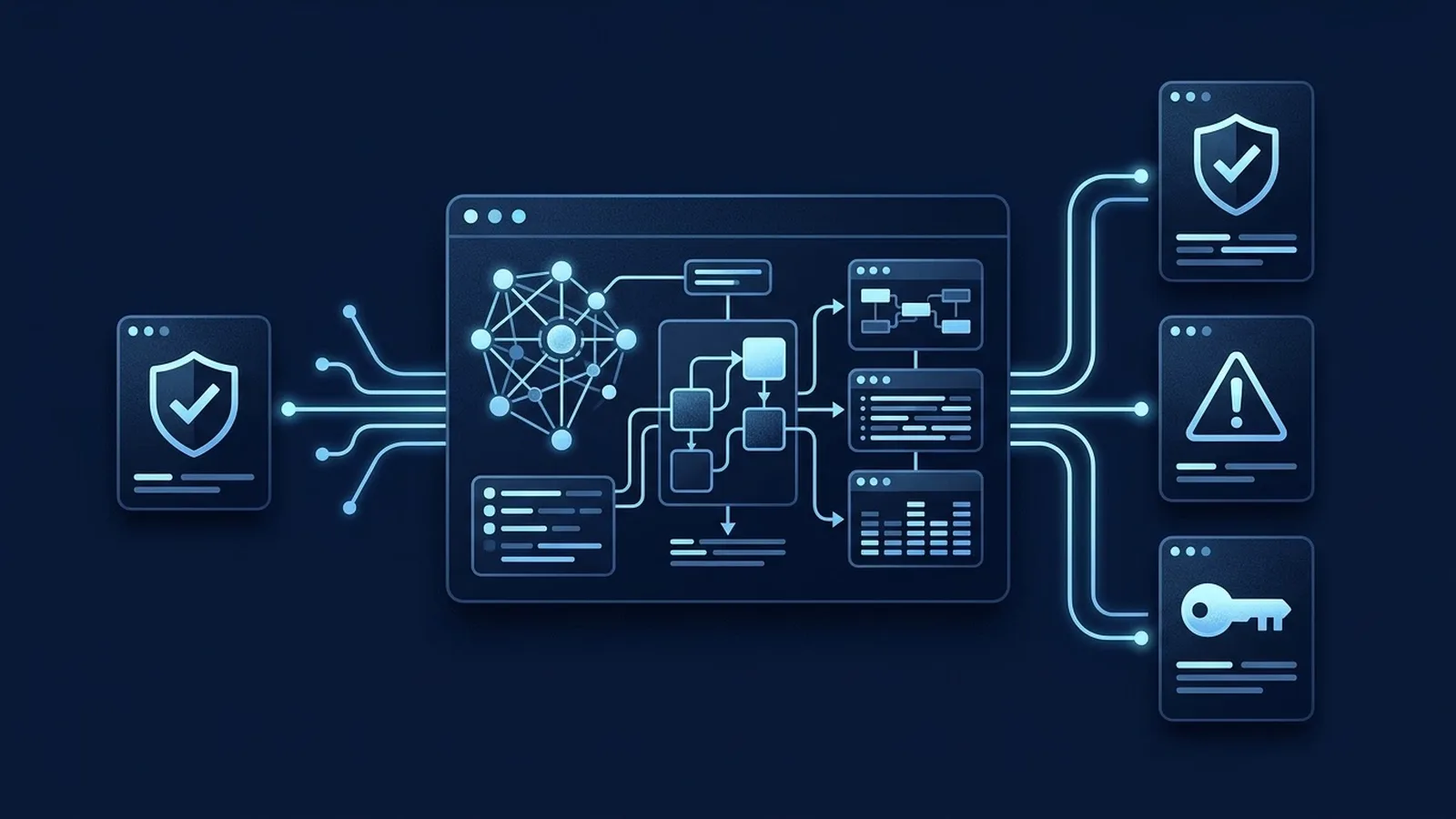
This interactive license finder helps you quickly map out which legal questions, clauses, and risks specifically apply to your technical use case. The tool does not provide legal advice, but structures your approach so you can check the right model documentation in a targeted way.
License Analysis Tool
Fill in your details to get an overview of relevant license questions and risk indicators.
Results of the license analysis
How the checker works and what the results mean
Based on your input, the tool generates a targeted set of points to consider. Model licenses are usually not standard open-source licenses like MIT or Apache 2.0. Many modern licenses for open weights contain unique restrictions around commercial revenue thresholds, acceptable use policies, and attribution obligations. To make a well-considered choice, it helps to understand that a model consists of multiple layers. Anyone who wants to grasp these layers would do well to study what open standards entail and how to weigh the four fundamental layers; for this you can turn to the overview on commercial usage rights of open models, where the differences between weights, code, data, and output are explained clearly.
The four layers of a model license
When you review model documentation and license terms, you quickly discover that the legal status differs per component. A model is, after all, more than just the binary weight files on Hugging Face or another repository.
- The weights: The trained neural network itself. This falls under the specific model license (e.g., customized RAIL licenses or community licenses).
- The source code and inference scripts: Often tied to traditional software licenses such as Apache 2.0 or MIT, separate from the weights license.
- The training data: Usually not included, but its provenance does determine whether you risk copyright claims on generated output.
- The outputs: What the model generates. The license can determine whether you may freely use that output for commercial purposes or for training other models.
Which clauses do you encounter and what should you check?
When examining the legal frameworks of a model, you encounter a number of standard clauses. Each clause carries specific obligations for your project:
- Attribution: Many licenses require you to credit the original creators in the documentation or even in the user interface when your application uses the model.
- Commercial use thresholds: Some licenses allow free commercial use up to a certain annual revenue, after which a commercial license or agreement is required.
- Share-alike obligation (copyleft elements): If you modify and redistribute the model, certain clauses require you to release the derivative model publicly under the same terms.
- Output restrictions: Restrictions on what the model may generate, or rules requiring that you make it clear to your users that they are communicating with AI.
- Training data provenance: Always check whether the creator has been transparent about the dataset, to avoid later disputes over intellectual property.
- Derivative models (adapters and LoRAs): Determine whether fine-tuning and training lightweight adapters based on the model are legally considered a derivative work falling under the same license.
Why the license is just one of the risks
A correct license does not automatically mean your implementation is risk-free. Besides intellectual property, various other factors in practice can affect your operational continuity:
- Privacy and GDPR: Does the model process personal data, and where are prompts and responses stored by the provider?
- Security: How are vulnerabilities in inference frameworks patched, and is data transfer secure?
- Vendor lock-in: Are you fully dependent on a single model architecture or API provider, making a later switch complex?
In addition, model terms change over time. To avoid working with expired licenses or being caught off guard by changes to the terms of use of active model versions, it is wise to periodically check your dependencies. Read more about this topic in the guide on how to keep track of model updates and changes.
Where this checker stops
This tool is designed to make you aware of the relevant questions and risks, but explicitly does not provide legal advice. There is no guarantee that this questionnaire is exhaustive for your unique situation. For complex commercial implementations, large projects, or doubts about the interpretation of clauses, we always recommend consulting a lawyer. For broader contractual questions around SLAs and vendor agreements, you can also turn to our colleagues on the consultancy domain for guidelines on what to watch for in a contract with an AI vendor.
Further reading
- Model versions and deprecation: how the model lifecycle works
- Reading model cards and licenses: the basic skill behind this checker
- Commercial usage rights of open models: the four layers explained
- Keeping track of model updates: monitoring license terms and changes
- AI contracts and SLAs: what to watch for with professional providers